
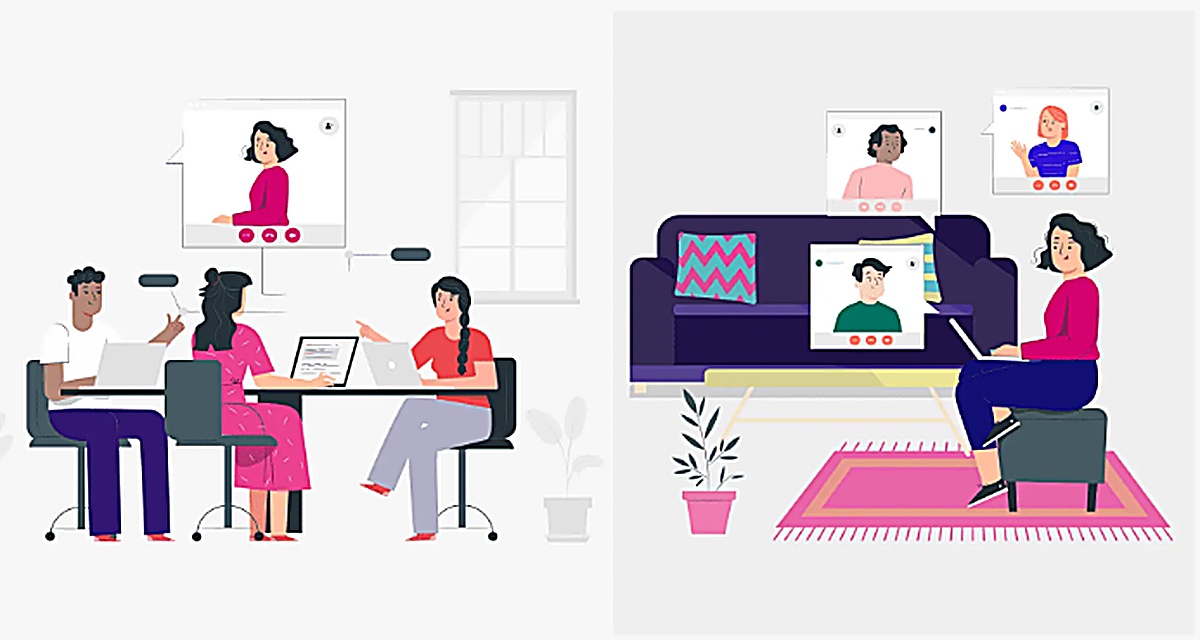
Every summer, we see the same pattern. Some teammates choose to work from home, others spend a few weeks working from a summer destination, while some enjoy the energy of coming into the office. The location changes, but the goal stays the same: creating an environment where people can do their best work.
The debate around remote vs office work isn’t going away. Some studies highlight the benefits of being in the office, while others strongly support working from home.
From our experience, the answer isn’t choosing one over the other.
Neither model is inherently better. They simply solve different needs.
Remote work supports deep focus, flexibility, and uninterrupted execution. Office time brings spontaneous conversations, quicker alignment, stronger collaboration, and a welcome change of environment.
Instead of picking a side, we’ve chosen to design a system that takes advantage of both.
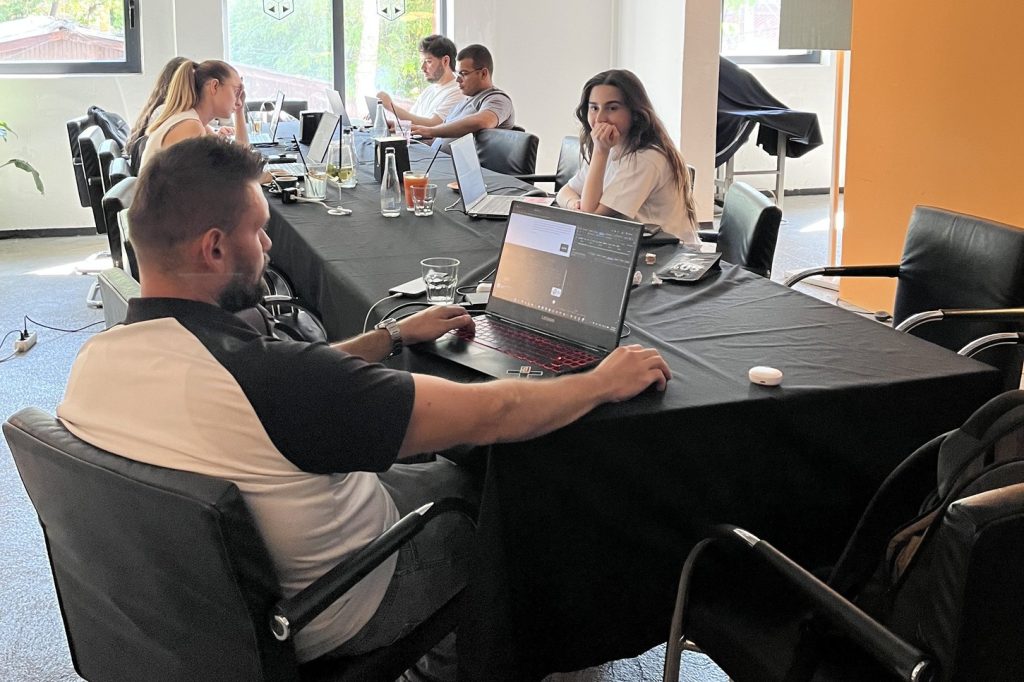
Our approach: Flexible hybrid
We work in a hybrid model with a few office days each month, without strict rules about exactly when people need to come in.
People choose the environment that helps them work best.
We don’t optimize for presence.
What makes it work
A flexible model only works with the right foundations:
> Remote-first execution for focused, uninterrupted work
> Flexibility in choosing where to work
> Clear communication around availability and progress
> Strong ownership—people manage their time and responsibilities
These aren’t strict rules we enforce—they’re habits we’ve learned are essential for this way of working to succeed.
One additional thing we’ve noticed is the importance of creating clear physical and mental boundaries when working remotely. When work happens in the same space where you relax or sleep, the line between “work mode” and “rest mode” can gradually disappear. Over time, this can make it harder to switch off after work or to stay focused during the day. Even small changes, such as having a dedicated workspace or following a consistent routine, can make a meaningful difference.
What we’ve learned
Hybrid sounds simple, but it requires intention.
We’ve learned that:
> Communication doesn’t happen automatically—you have to build it
> Flexibility without clarity creates confusion
> Trust and accountability are essential
Final thought
There’s no universal “best” way to work.
The real advantage comes from understanding when remote work creates the most value, when being together in the office makes a difference, and giving people the flexibility to choose accordingly.
Whether someone is working from home, from the office, or from another city or country, what matters most is creating an environment where great work can happen.
That’s what works for us.